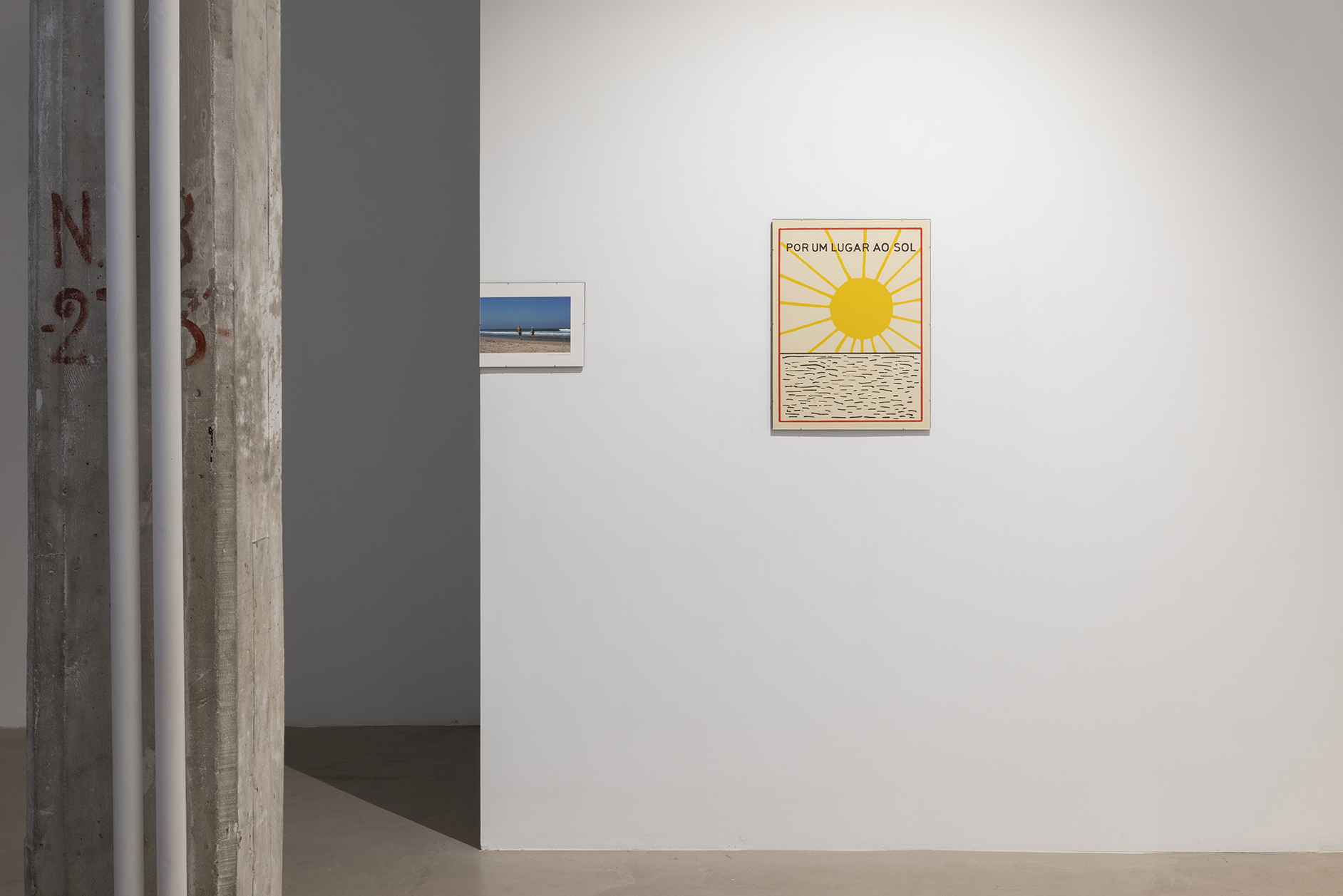
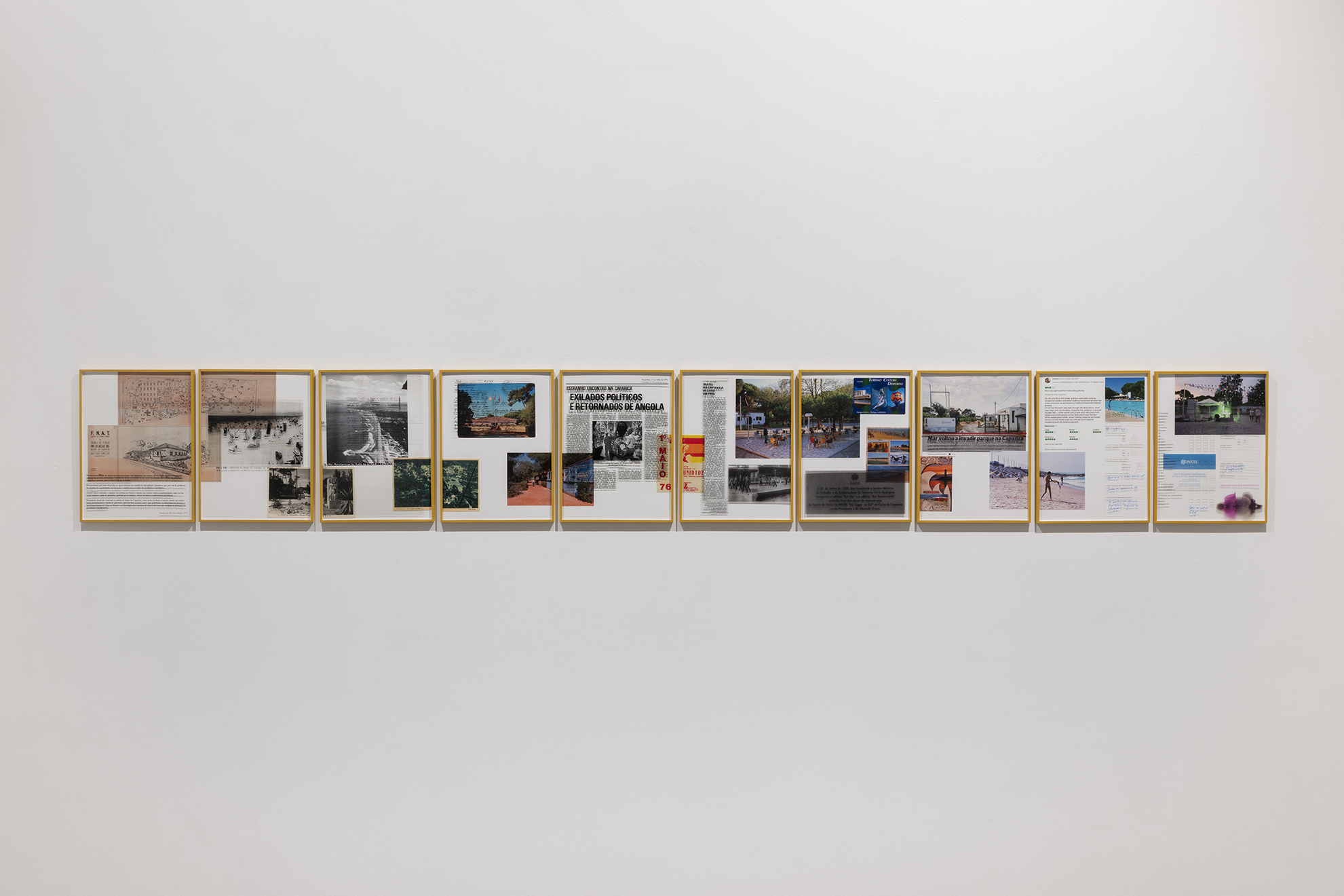
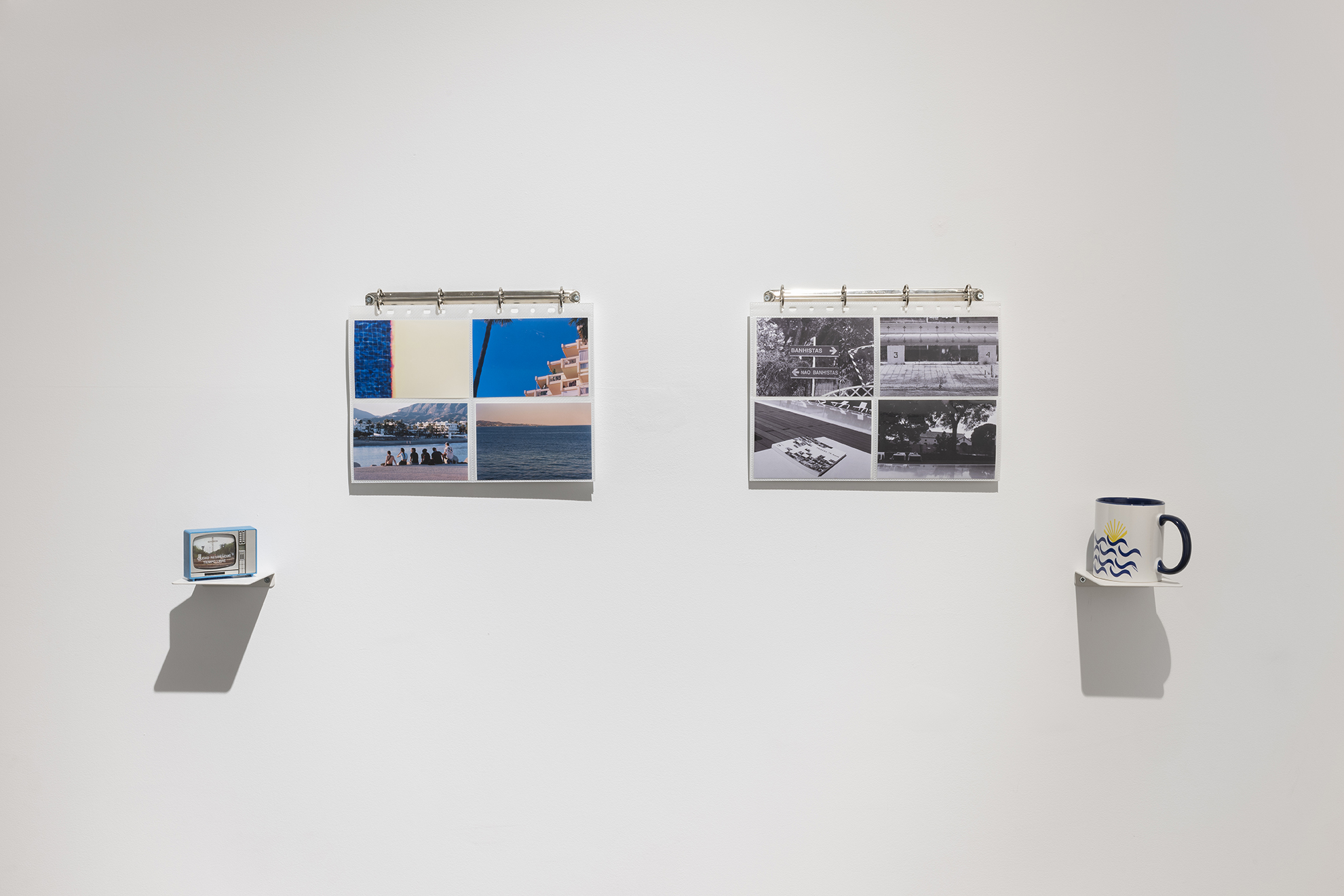
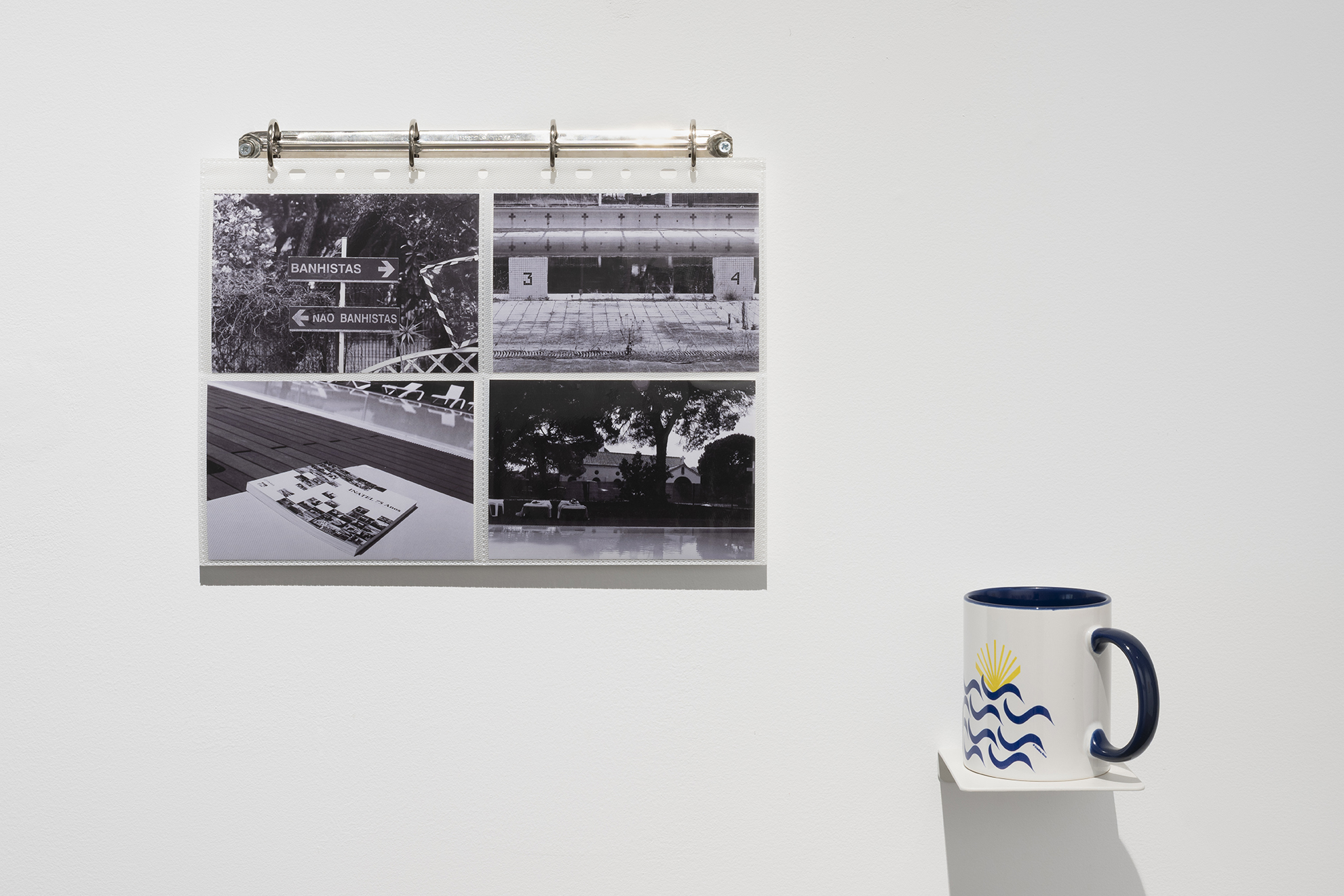
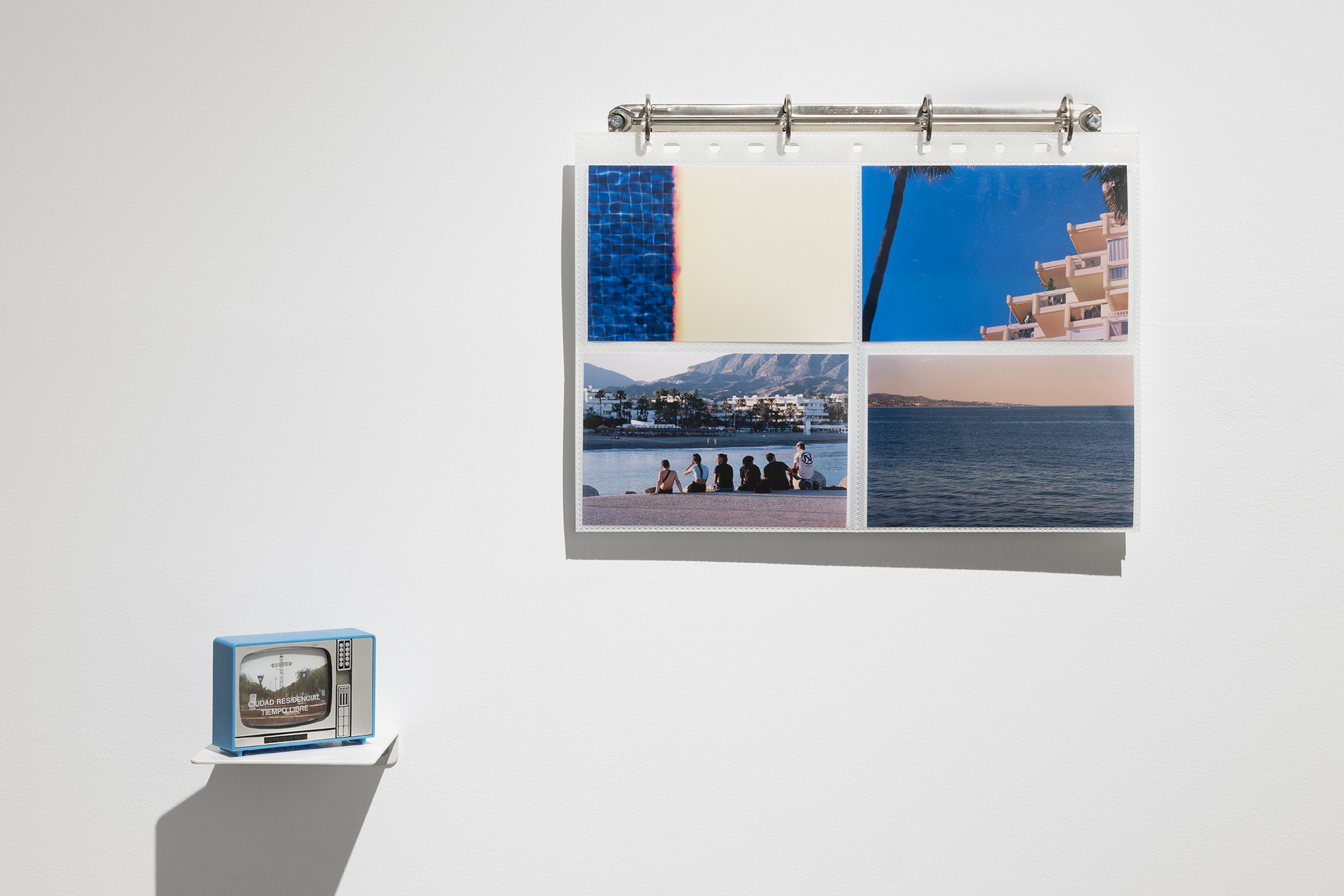
Por un lugar en el sol [A Place in the Sun] is an artistic research project that draws on two parallel case studies: the Tiempo Libre residential estate in Marbella and the Colónia de Férias Um Lugar ao Sol in Caparica. These architectural complexes, situated in areas where tourism is the main source of income, serve as models of the process of industrialisation and instrumentalisation of the working class’s holidays – from the dictatorial regimes under which they were built to the social-democratic governments that continued to utilise them.
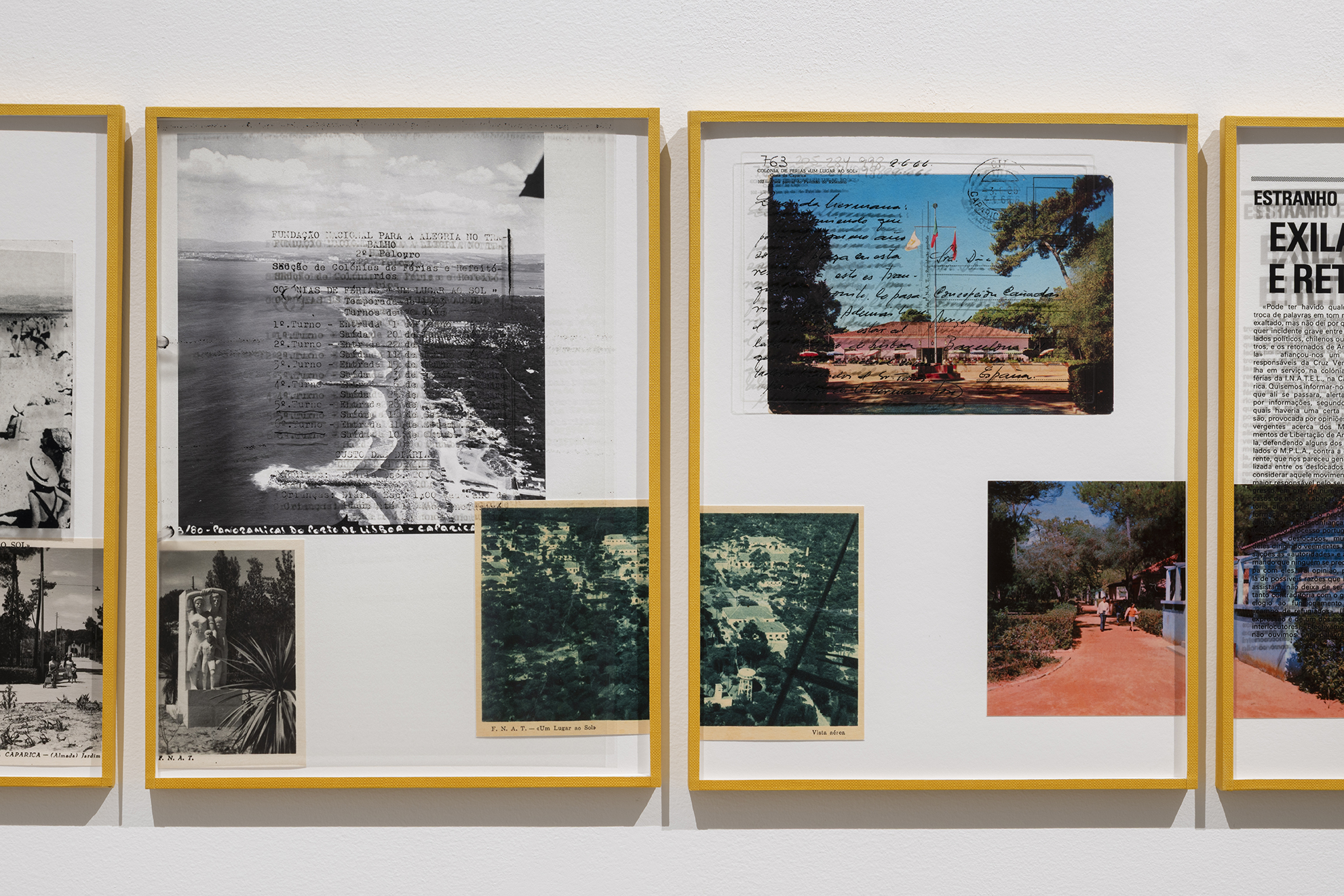
The Colónia de Férias Um Lugar ao Sol opened its doors in 1938 and was the first holiday resort built by the Fundação Nacional para a Alegria no Trabalho (F.N.A.T.) for its workers. The FNAT was a body of the Estado Novo tasked with organising the working class’s leisure time, and within its programme, holiday camps were one of its main attractions. Um Lugar ao Sol was built in a traditional architectural style but gradually changed over the years. Following the fall of the dictatorship after the Carnation Revolution in April 1974, the FNAT became INATEL (National Institute for the Use of Workers’ Leisure Time), which continues to operate as a travel agency and runs what is now known as Hotel INATEL Caparica.
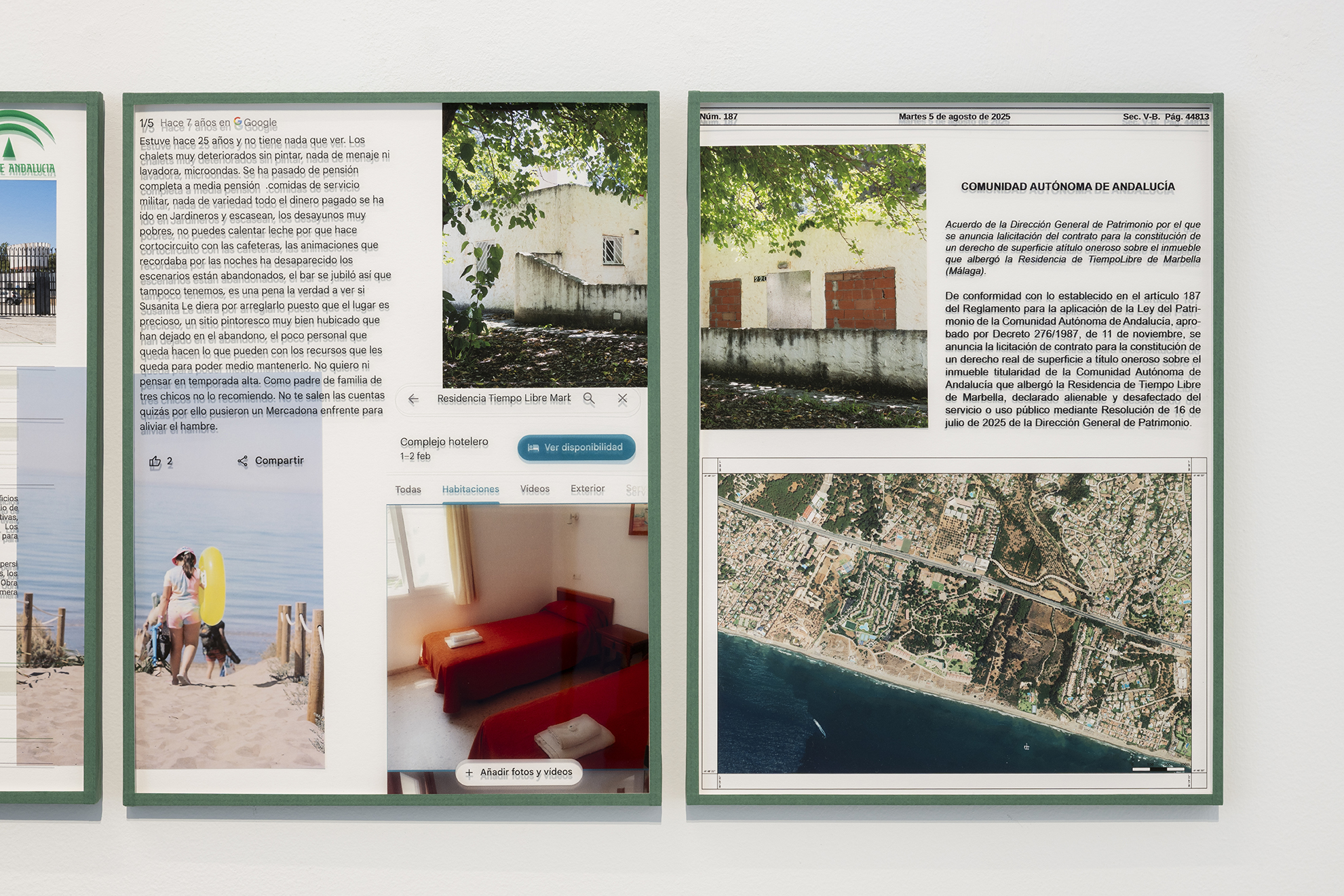
The Tiempo Libre Residential Complex in Marbella welcomed its first guests in the summer of 1962 and was one of the flagship projects of the Obra Sindical de Educación y Descanso, the body responsible for organising the leisure activities of the working class in Spain under Francisco Franco as Head of State. Designed by Ángel Cadarso del Pueyo and Manuel Aymerich Amadiós, this complex was the trade union holiday resort that remained in operation for the longest period following the Transition. In fact, right up until 2023, low-cost holidays were offered in an area primarily dedicated to luxury tourism, such as Marbella. Now, this complex, situated on one of the few remaining undeveloped plots on the famous Costa del Sol, is set to be developed by a private company and will no longer be accessible to most Andalusians.
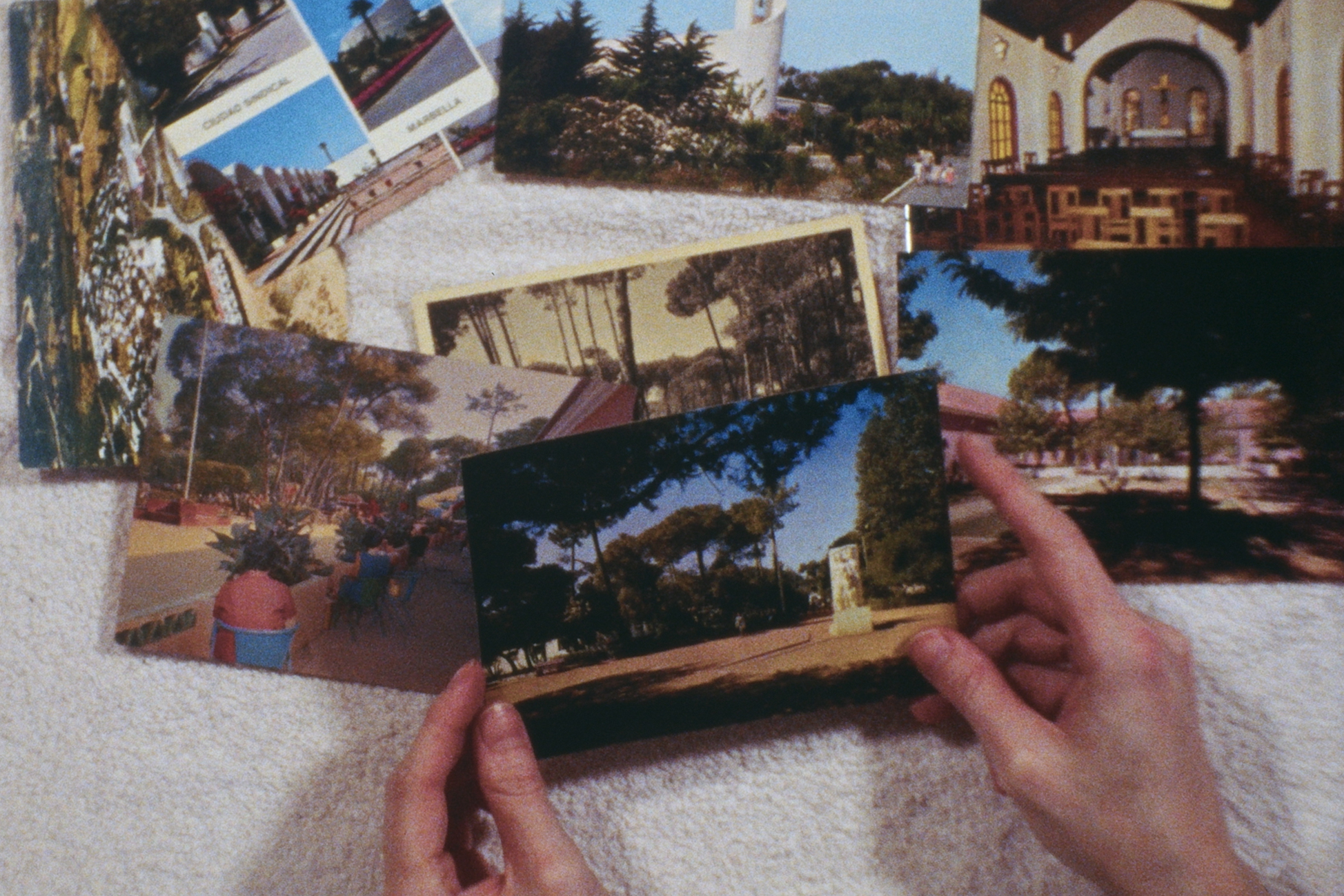
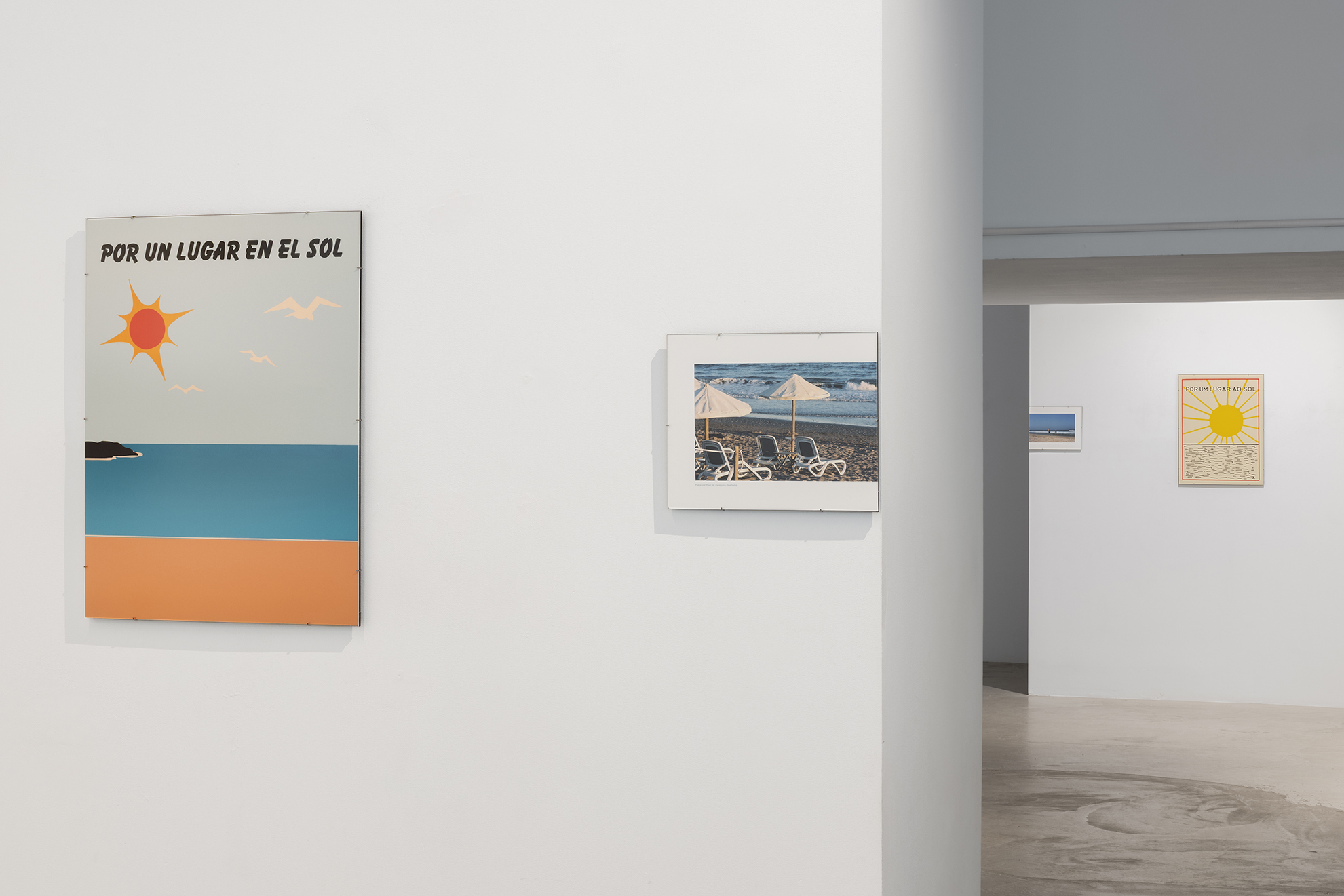
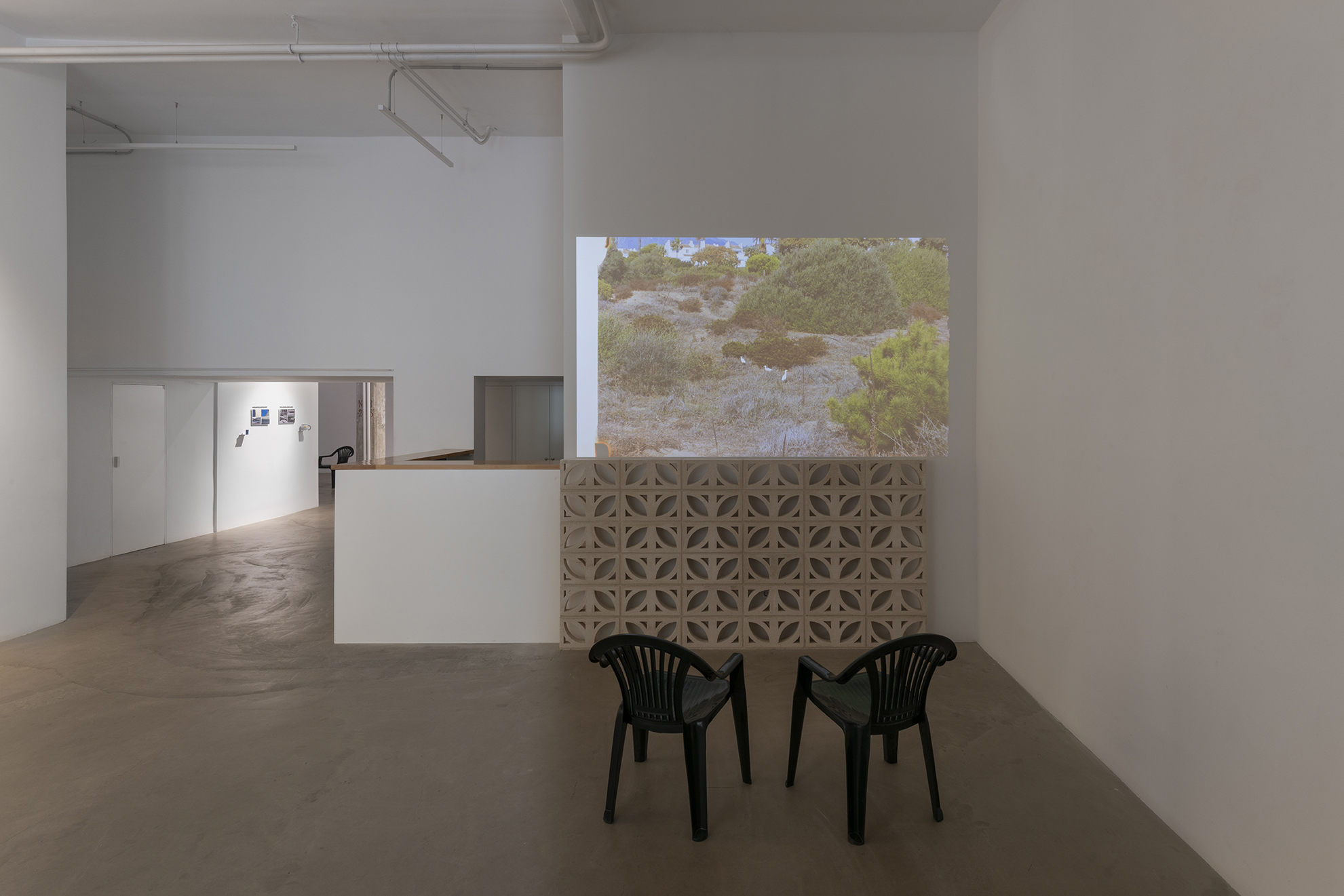
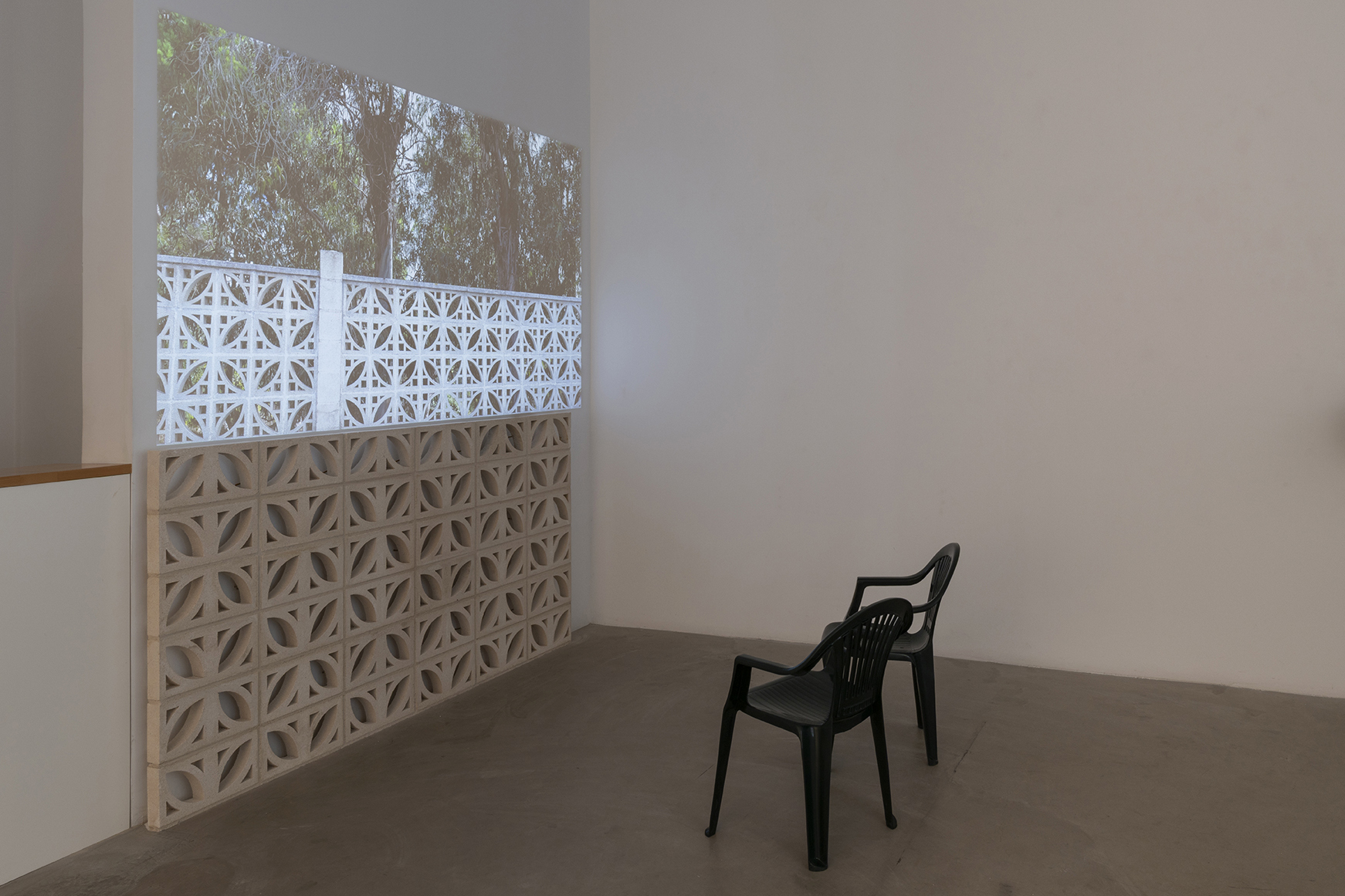
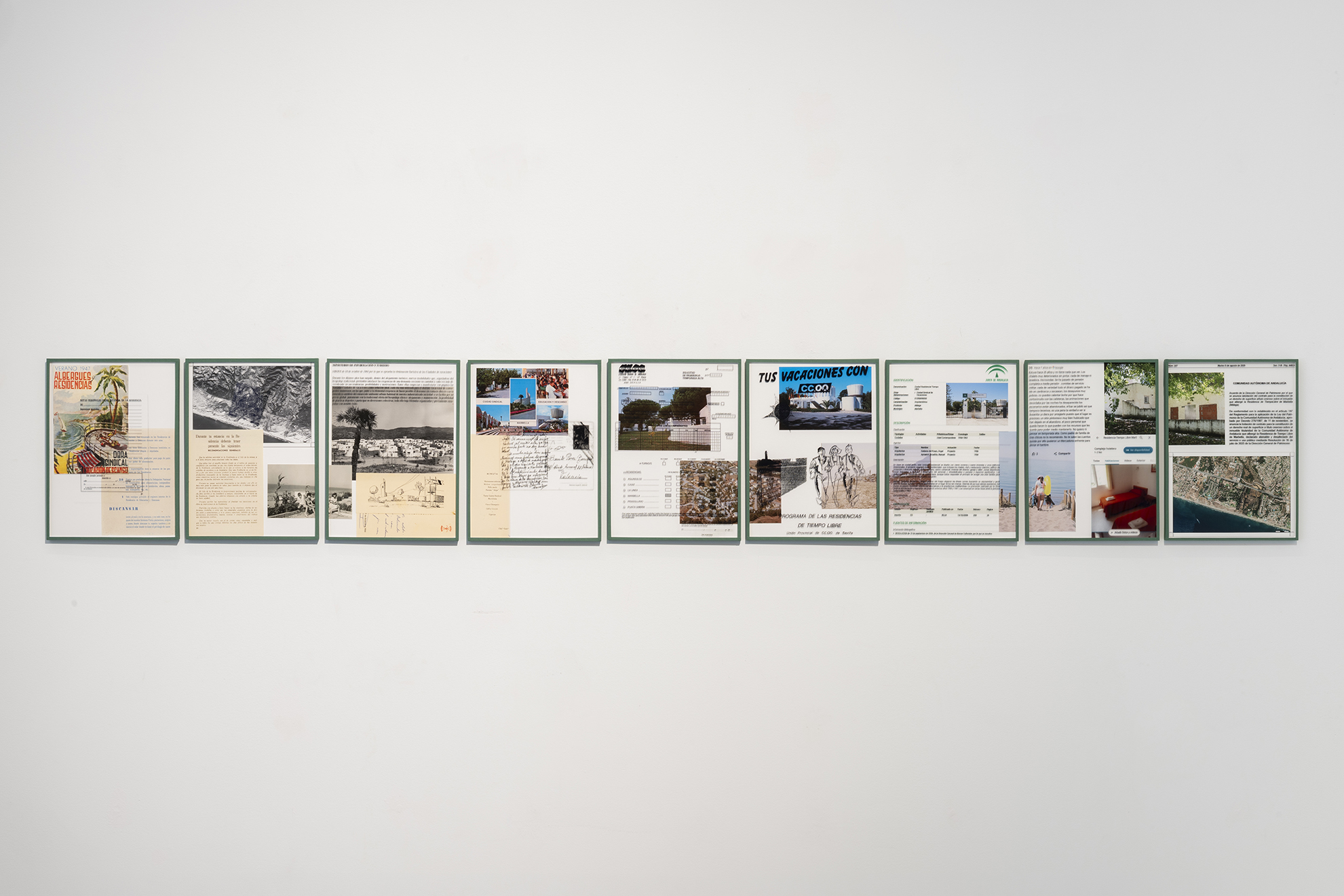
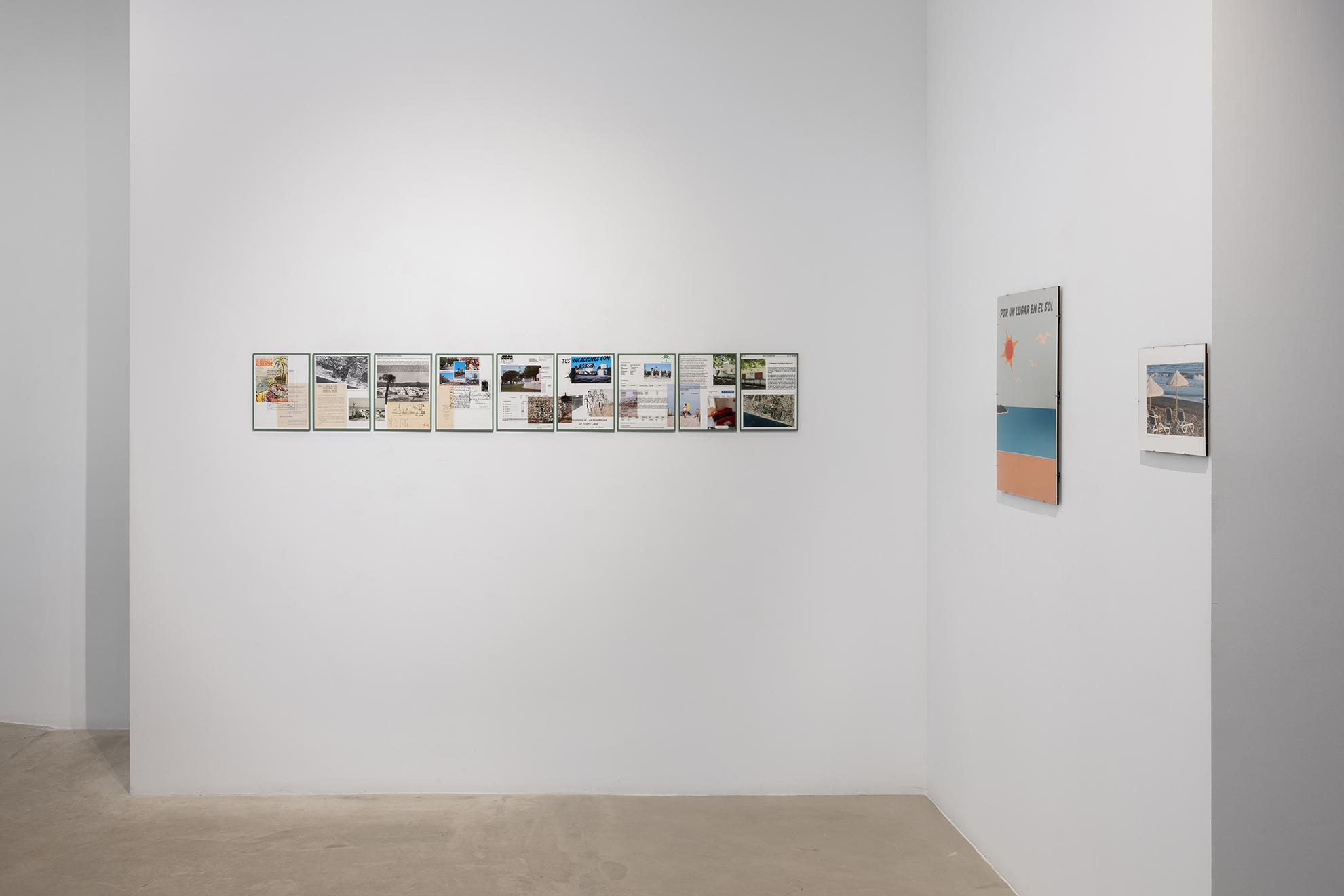
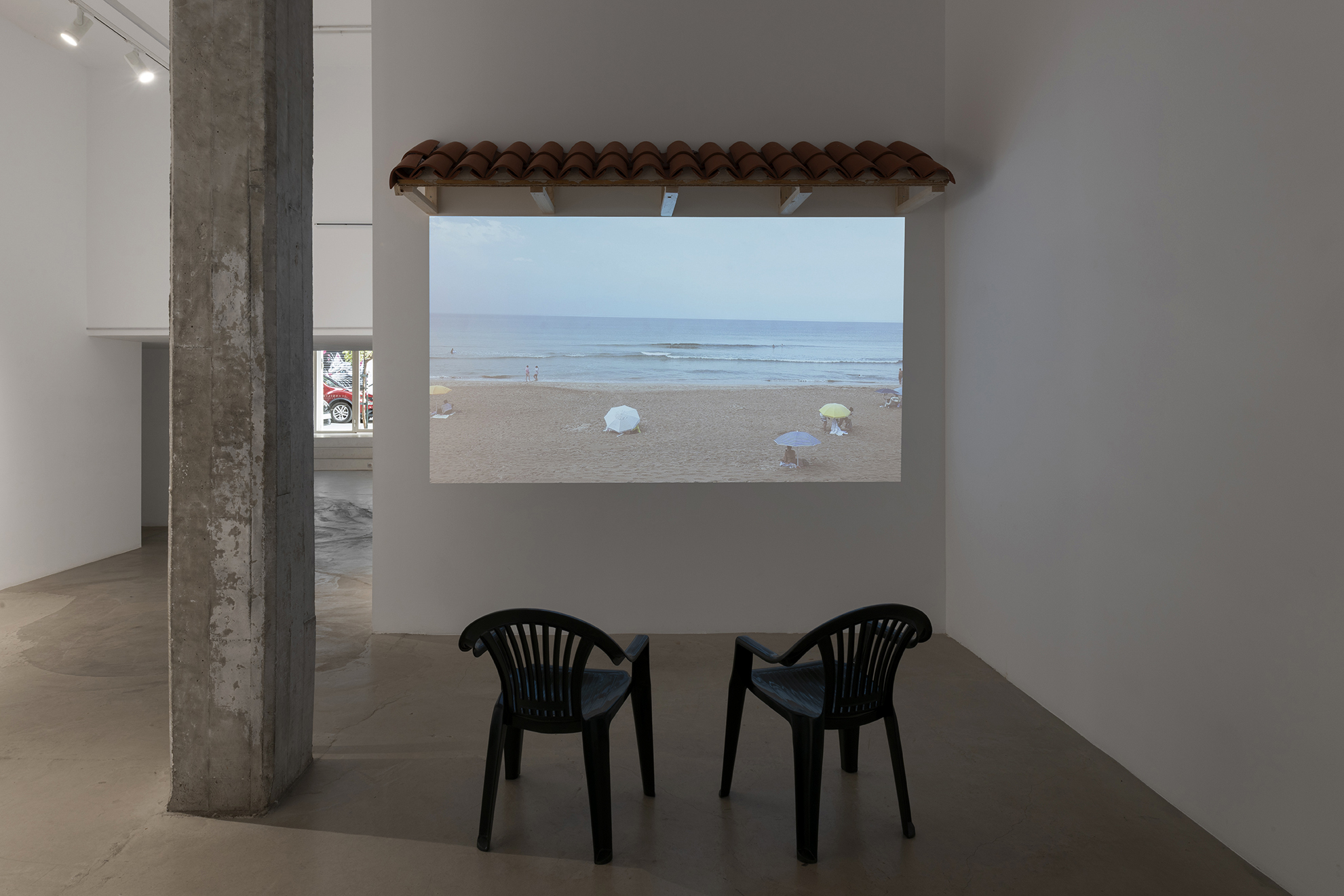
This research takes the form of various works: on the one hand, a series of graphic works presenting the collection of images and posters compiled to date, in which postcards, press cuttings, marginal notes, stills and photographs are intermingled. On the other hand, two video installations feature recordings made in various formats at the two locations, blending different timeframes and offering an audiovisual journey through the places that form the subject of this exhibition. Furthermore, a publication produced in collaboration with Editorial Concreta provides a deeper insight into the investigation carried out in these places, which once held the promise of a place in the sun.
Project developed with the support of the 2024 Leonardo Grant for Scientific Research and Cultural Creation awarded by the BBVA Foundation.